
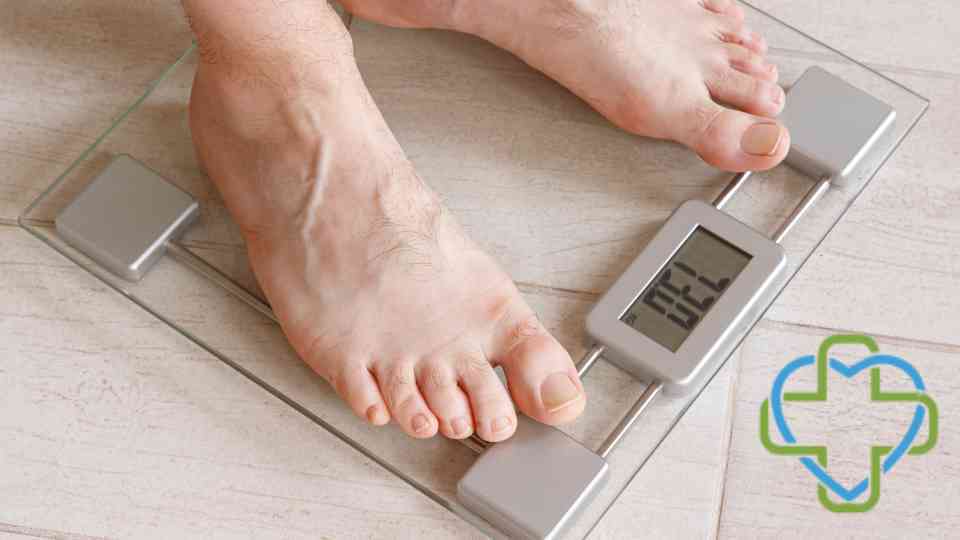
Tracking how much weight you have lost is about far more than a number on the scales — true progress encompasses changes in body composition, measurements, energy levels, and overall health. The scales are a useful tool, but they only tell part of the story; factors like water retention, muscle gain, and hormonal fluctuations can all cause the number to move up or down independently of actual fat loss. The most accurate picture of your progress comes from combining multiple tracking methods over a consistent period of time. Whether you’re on a weight loss medication like Mounjaro or Wegovy, following a dietary programme, or making lifestyle changes, understanding how to measure your results properly keeps you motivated and on track. Our team at J E Williamson Pharmacy in Bishops Stortford is passionate about supporting patients through their entire weight management journey, helping them track their real progress and stay motivated for the long term.
The best weight management journeys begin with expert advice and the right support in place. Book a consultation at J E Williamson Pharmacy in Bishops Stortford today and let our team help you start as you mean to go on.
Key takeaways
- The scales alone are not a reliable indicator of fat loss; body composition, measurements, and how you feel all matter equally.
- Weighing yourself at the same time each day, ideally in the morning, gives the most consistent and comparable results.
- Body measurements such as waist, hip, and chest circumference are often more motivating and accurate than scale weight alone.
- Progress photos taken every four weeks can reveal changes that neither the scales nor measurements always capture.
- Non-scale victories, improved energy, better sleep, looser clothing, are powerful indicators that your plan is working.
- Tracking over weeks and months, rather than day to day, gives a far more meaningful and accurate picture of your progress.
Why the Scales Aren’t the Whole Story
It’s tempting to judge your entire weight loss journey by what the scales say each morning, but this single metric is one of the least reliable ways to measure real progress. Body weight fluctuates by 0.5–2kg from day to day depending on water intake, salt consumption, hormonal cycles, bowel movements, and even the amount of carbohydrate you ate the previous day. This means you could be losing body fat consistently while the scales appear to stay the same — or even move upwards. Understanding this from the outset prevents unnecessary discouragement and helps you stay focused on the bigger picture.
How to Weigh Yourself Properly
If you do use the scales — and most people do, and there’s nothing wrong with that — consistency is everything. Weigh yourself first thing in the morning, after using the bathroom and before eating or drinking, wearing the same amount of clothing each time. Use the same scales on the same surface, as different floors and surfaces can affect readings. Rather than fixating on the daily number, track a weekly average by weighing yourself every day and dividing the total by seven — this smooths out daily fluctuations and gives a much clearer trend over time.

Body Measurements — Your Most Underrated Tracking Tool
Taking regular body measurements is one of the most effective ways to track fat loss that the scales simply won’t show. Use a flexible tape measure to record your waist (at the narrowest point), hips (at the widest point), chest, upper arms, and thighs. Measure every two to four weeks and record the results consistently. Many people find that even during weeks when the scales don’t move, their measurements are decreasing — a clear sign that body recomposition is taking place. Waist circumference in particular is a clinically meaningful marker of health risk reduction, not just appearance.
Personalised advice on tracking your weight loss progress can make a real difference to your motivation and long-term results. Call our expert team at J E Williamson Pharmacy in Bishops Stortford today and let us help you measure what really matters.
Progress Photos — Seeing is Believing
Progress photos are one of the most powerful and motivating tracking tools available, yet they’re often overlooked. Take a photo from the front, side, and back every four weeks, at the same time of day, in the same location, and wearing the same clothing. The changes visible between a week-one photo and a week-twelve photo are often striking — far more so than any number on a scale. There are few things more motivating on a weight loss journey than seeing the visual difference between your week-one photo and where you are today.
Non-Scale Victories — The Progress You Can Feel
Some of the most meaningful indicators of weight loss progress have nothing to do with numbers at all. Non-scale victories — or NSVs — include things like clothes fitting more loosely, needing a smaller belt notch, feeling less breathless climbing stairs, sleeping better, having more energy throughout the day, or receiving comments from friends and family. These changes reflect genuine improvements in health and fitness that should be celebrated just as enthusiastically as a number on the scales. Keeping a journal of NSVs alongside your numerical tracking gives a far richer and more motivating account of your progress.
Of course, numbers still have their place — and if you’re curious about what medically supported weight loss could look like for you, our calculator below gives you a personalised estimate. Enter your height and weight to find out how much you could potentially lose with Mounjaro or Wegovy:
How to Use a Weight Loss Tracker Effectively
Whether you use a smartphone app, a spreadsheet, or a simple notebook, the key principles of effective weight loss tracking are the same — consistency, honesty, and patience. Log your weight, measurements, and any relevant notes at the same intervals each week. Review your data monthly rather than daily to identify genuine trends. If you’re using a weight loss medication such as Mounjaro or Wegovy, tracking your progress carefully also gives your prescribing clinician valuable information to help optimise your treatment. The more data you collect over time, the clearer your progress becomes — and the more empowered you’ll feel to keep going.
A smarter, more supported approach to tracking your weight loss results starts with the right team behind you. Contact us at J E Williamson Pharmacy in Bishops Stortford and get the expert support you need to see and celebrate your real results.

Frequently Asked Questions
Here are the questions our team at J E Williamson Pharmacy in Bishops Stortford hears most often from patients tracking their weight loss progress.
How often should I weigh myself?
Weighing yourself daily and tracking a weekly average is generally considered the most accurate approach, as it smooths out the natural fluctuations that occur from day to day. If daily weigh-ins feel discouraging rather than motivating, once a week at the same time is a perfectly valid alternative.
Why have I stopped losing weight even though I’m doing everything right?
Weight loss plateaus are a normal and well-understood part of the process — the body adapts its metabolic rate in response to calorie reduction, which can temporarily slow or stall progress. Reviewing your calorie intake, increasing physical activity, or speaking to a healthcare professional about your treatment plan can all help break through a plateau.
Is losing 0.5kg per week enough?
Yes — losing 0.5–1kg per week is considered a healthy, sustainable rate of weight loss by most clinical guidelines, and is associated with better long-term weight maintenance than faster loss. Consistent progress at this rate adds up to significant results over several months.
Why do I weigh more at night than in the morning?
This is entirely normal — throughout the day you consume food and drink, which adds temporary weight that hasn’t yet been processed and eliminated by the body. Morning weigh-ins after using the bathroom give the most consistent baseline reading, which is why they’re recommended for tracking purposes.
Can I lose weight without the scales moving?
Absolutely — if you’re exercising regularly, you may be building muscle while losing fat, resulting in little or no change on the scales despite genuine body composition improvements. This is why tracking measurements, progress photos, and non-scale victories alongside your weight gives a far more complete and accurate picture of your progress.
What is a healthy amount of weight to lose in a month?
Most clinical guidelines suggest that losing 2–4kg per month is a healthy and sustainable rate of weight loss for most adults. Faster loss is sometimes achieved with medication or very low calorie diets, but should always be monitored by a healthcare professional to ensure it is safe and appropriate for the individual.
Every Step Forward Counts
The most accurate measure of how much weight you have lost goes far beyond what the scales tell you each morning — it’s a complete picture built from multiple markers of genuine, lasting progress. By combining regular weigh-ins with body measurements, progress photos, and non-scale victories, you give yourself the best possible chance of staying motivated and on track for the long term. At J E Williamson Pharmacy in Bishops Stortford, we’re here to support you with expert advice and compassionate care at every stage of your weight management journey — because every step forward, however small it may seem, is worth celebrating. Book now and let our team help you see just how far you’ve already come.