

You can drink alcohol while taking Mounjaro, but there are important reasons why doing so requires careful consideration and, for most patients, a meaningful reduction in how much and how often you drink. Mounjaro (tirzepatide) does not have a direct pharmacological interaction with alcohol in the way that some medications do, but the combination of the two can significantly amplify the effects of alcohol, worsen gastrointestinal side effects, and undermine the dietary discipline that makes Mounjaro most effective. Many patients also report that their tolerance for alcohol changes noticeably after starting Mounjaro, with smaller amounts producing stronger effects than before — a phenomenon that is consistently reported in real-world patient experience. The official guidance from the manufacturer recommends limiting alcohol consumption during Mounjaro treatment, and this is advice that our clinical team at J E Williamson Pharmacy in Bishops Stortford strongly supports and regularly discusses with patients beginning their weight loss journey.
Expert clinical guidance on how to get the most from Mounjaro safely and effectively is available at J E Williamson Pharmacy in Bishops Stortford. Book a consultation with our team today and receive the personalised support you need from the very beginning of your treatment.
Key takeaways
- Alcohol is not strictly contraindicated with Mounjaro, but the manufacturer recommends limiting consumption during treatment.
- A noticeably increased sensitivity to alcohol is one of the most commonly reported experiences among patients taking Mounjaro, with many finding that considerably smaller amounts produce far stronger effects than they did before starting treatment.
- Alcohol can worsen Mounjaro’s gastrointestinal side effects including nausea, vomiting, and stomach discomfort.
- Patients with type 2 diabetes who are taking Mounjaro alongside other glucose-lowering medications need to be particularly mindful of the additional risks that alcohol can introduce into their blood glucose management.
- Alcohol is calorie-dense and nutritionally poor, which can significantly undermine the calorie deficit and dietary quality that make Mounjaro most effective.
- If you choose to drink alcohol on Mounjaro, doing so in moderation, with food, and with awareness of your changed tolerance is strongly advisable.
Why Alcohol Tolerance Changes on Mounjaro
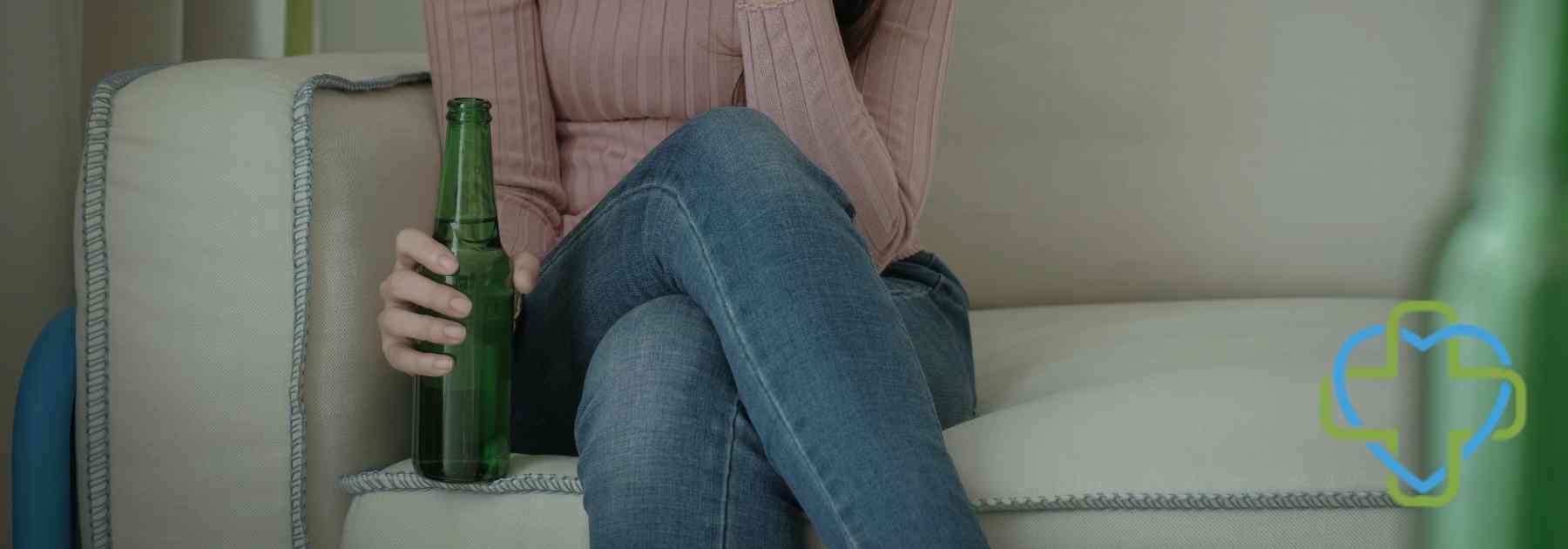
One of the most commonly reported experiences among patients taking Mounjaro is a noticeable change in how alcohol affects them. The precise mechanism is not yet fully established in the clinical literature, but several factors are thought to contribute. Mounjaro slows gastric emptying significantly, meaning that alcohol is absorbed more slowly and then, when it does enter the bloodstream, may do so in a more concentrated burst. Reduced overall food intake also means there is less food in the stomach to slow alcohol absorption. Additionally, significant calorie restriction and weight loss independently alter alcohol metabolism. The practical result for many patients is that one or two drinks produce effects that previously required considerably more, which increases the risk of unexpected intoxication and its associated risks.
Alcohol and Mounjaro Gastrointestinal Side Effects
Gastrointestinal side effects — including nausea, vomiting, stomach discomfort, and reflux — are among the most common experiences in the early weeks of Mounjaro treatment, particularly following dose increases. Alcohol is itself a gastrointestinal irritant that relaxes the lower oesophageal sphincter, increases stomach acid production, and slows gut motility — all of which directly compound the gastrointestinal effects of tirzepatide. Patients who drink alcohol during a period of active gastrointestinal side effects on Mounjaro frequently report a significant worsening of their symptoms. For this reason, many clinicians advise avoiding alcohol entirely during the early titration phase of treatment and being particularly cautious in the days immediately following each dose increase.
The Risk of Hypoglycaemia
For patients using Mounjaro to manage type 2 diabetes, alcohol and blood glucose require careful consideration — though the nature of the risk is important to understand accurately. Tirzepatide stimulates insulin secretion in a glucose-dependent manner, which means it carries a low inherent risk of hypoglycaemia when used as monotherapy. However, alcohol inhibits gluconeogenesis — the liver’s ability to produce and release glucose — particularly during heavier consumption, which can cause blood sugar levels to fall, especially when drinking without eating or consuming significant quantities of alcohol. The hypoglycaemia risk from alcohol is most clinically significant for patients taking Mounjaro alongside other glucose-lowering medications such as sulphonylureas or insulin, and this combination should be discussed specifically with your prescribing clinician. All patients with type 2 diabetes should always eat when drinking, monitor blood glucose carefully, and raise the topic of alcohol consumption with their clinical team as part of their overall diabetes management plan.
Our expert team at J E Williamson Pharmacy in Bishops Stortford is here to answer your questions about alcohol, lifestyle habits, and how to get the most from your Mounjaro treatment safely. Call us today.
How Alcohol Affects Your Weight Loss Results on Mounjaro
Beyond the direct physiological interactions, alcohol has a significant and often underestimated impact on weight loss outcomes for patients taking Mounjaro. Alcoholic drinks are calorie-dense — a large glass of wine contains approximately 200 calories, a pint of beer around 180 to 250 calories, and a spirit and standard mixer typically contains 100 to 250 calories depending on the spirit, measure, and mixer chosen — and these calories provide no satiety, no nutritional value, and no meaningful contribution to the body’s energy or nutrient needs. Regular alcohol consumption can easily negate the calorie deficit that Mounjaro’s appetite-reducing effects help to create. Alcohol also disrupts sleep quality, raises cortisol levels, lowers inhibitions around food choices, and impairs the metabolic processes that support fat loss — making it one of the most counterproductive habits for anyone serious about achieving meaningful weight loss on Mounjaro.
Practical Guidance for Drinking Alcohol on Mounjaro
Patients who choose to include alcohol in their lifestyle while taking Mounjaro can significantly reduce the associated risks by adopting a small number of practical and straightforward harm-reduction strategies. Always eat a meal before or alongside drinking, as food slows alcohol absorption and reduces the risk of both intoxication and blood glucose fluctuation. Start with significantly less than your usual amount and give the alcohol time to take effect before considering a further drink, as your tolerance may be considerably lower than before starting Mounjaro. Choose lower-alcohol options where possible, alternate alcoholic drinks with water, and avoid drinking on an empty stomach at all costs. Be aware of how you are feeling throughout the evening and have a plan for getting home safely. If you are in the early weeks of Mounjaro treatment or have recently had a dose increase, the safest approach is simply to avoid alcohol until your gastrointestinal side effects have fully settled.
Alongside making informed lifestyle choices, understanding your personal weight loss potential with Mounjaro can be a powerful motivator throughout your treatment journey. Enter your height and weight into our calculator below to see how much you could potentially lose with Mounjaro or Wegovy:
When to Speak to Your Clinician About Alcohol and Mounjaro
There are specific circumstances in which a conversation with your prescribing clinician about alcohol and Mounjaro is not just advisable but essential. If you drink regularly and at higher volumes, your clinician needs to know this before prescribing Mounjaro, as regular heavy alcohol use can interact with the medication’s effects on blood glucose, liver function, and gastrointestinal health in ways that require clinical assessment. If you have experienced unexpected effects from alcohol since starting Mounjaro — such as feeling intoxicated far more quickly than usual, experiencing significant nausea or vomiting after drinking, or noticing unusual blood glucose readings — these should be reported to your prescriber promptly. Transparency with your clinical team about your alcohol consumption is an important part of safe and effective Mounjaro treatment.
Our expert team at J E Williamson Pharmacy in Bishops Stortford is here to provide the honest, personalised clinical guidance that helps you get the very best from your Mounjaro treatment. Contact us to book a consultation.
Frequently Asked Questions
Our team at J E Williamson Pharmacy in Bishops Stortford has answered the questions patients ask most often about drinking alcohol while taking Mounjaro.
Can I drink alcohol at all on Mounjaro?
Yes — alcohol is not strictly contraindicated with Mounjaro, but the manufacturer recommends limiting consumption during treatment and the clinical advice from most prescribers is to drink significantly less than you previously might have, if at all. The most important precautions are to always eat when drinking, start with a much smaller amount than usual, and be aware that your tolerance may have changed significantly since starting treatment.
Why do I feel drunk more quickly on Mounjaro?
Mounjaro significantly slows gastric emptying, which affects the rate at which alcohol is absorbed into the bloodstream, and reduced overall food intake means there is less food present to buffer alcohol absorption. The result for many patients is a noticeably lower tolerance for alcohol, with smaller amounts producing stronger and longer-lasting effects than before starting treatment.
Will alcohol stop Mounjaro from working?
Alcohol does not directly block the mechanism of action of tirzepatide, but it can significantly undermine your weight loss results by adding empty calories, disrupting sleep, raising cortisol, and lowering inhibitions around food choices. Regular alcohol consumption is one of the most common reasons that patients on Mounjaro fail to achieve the weight loss results that the medication is capable of delivering.
Is it safe to drink alcohol if I have type 2 diabetes and am taking Mounjaro?
Patients with type 2 diabetes should exercise particular caution when drinking alcohol on Mounjaro, especially if they are also taking other glucose-lowering medications such as sulphonylureas or insulin, as the combination can increase the risk of hypoglycaemia. Always eat when drinking, monitor your blood glucose carefully, and discuss your alcohol consumption with your prescribing clinician as part of your overall diabetes management plan.
Can alcohol make Mounjaro side effects worse?
Yes — alcohol is a gastrointestinal irritant that can significantly worsen the nausea, vomiting, stomach discomfort, and reflux that are among the most common side effects of Mounjaro, particularly in the early weeks of treatment and following dose increases. Many clinicians recommend avoiding alcohol entirely during the titration phase of treatment and being particularly cautious in the days following each new dose.
How long after starting Mounjaro should I wait before drinking alcohol?
There is no specific clinically mandated waiting period before drinking alcohol after starting Mounjaro, but most prescribers advise avoiding alcohol until the most significant gastrointestinal side effects have settled, which typically takes two to four weeks at the starting dose. After this point, if you choose to drink, doing so cautiously, in small amounts, with food, and with full awareness of your potentially reduced tolerance is strongly advisable.
Alcohol and Mounjaro — Proceed with Care
Drinking alcohol on Mounjaro is possible, but it requires a genuinely different and more considered approach than most patients are used to — one that accounts for changed tolerance, increased side effect risk, and the very real impact that alcohol can have on the weight loss results that Mounjaro is capable of delivering. The most successful Mounjaro journeys are built on informed, mindful choices, and understanding the relationship between alcohol and your medication is an important part of that. Our expert team at J E Williamson Pharmacy in Bishops Stortford is committed to providing every patient with the honest, personalised clinical guidance they need to make informed choices that protect their health, their safety, and their long-term weight loss outcomes. Book now and start your Mounjaro journey with the right expert support from day one.