
Where to Inject Mounjaro for Best Results — Weight Loss Guidance Bishops Stortford
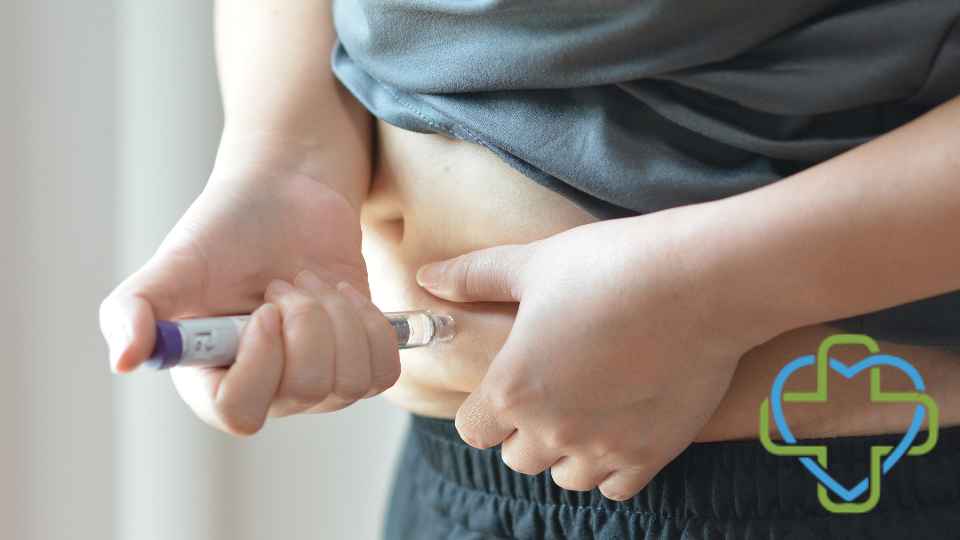
Mounjaro (tirzepatide) is injected subcutaneously — into the fatty tissue beneath the skin — at one of three approved sites: the abdomen, the front of the upper thigh, or the outer upper arm. All three sites are clinically approved and equally effective from a pharmacokinetic standpoint, meaning the medication is absorbed into the bloodstream at a consistent and reliable rate from any of these locations when injected correctly. Choosing the right injection site for your individual circumstances, understanding the differences between each location, and changing the injection site each week are all important factors in ensuring the medication works as effectively as possible, minimising injection site reactions, and preventing a condition known as lipohypertrophy — a build-up of fatty tissue caused by repeated injections into the same spot. The practical realities of self-injection — accessibility, comfort, clothing, and daily routine — also play a meaningful role in which site works best for each individual patient. At J E Williamson Pharmacy in Bishops Stortford, helping patients understand injection site selection and rotation from the very beginning of their Mounjaro treatment is an important part of the clinical support we provide, because correct technique from day one sets the foundation for consistent results throughout the treatment journey.
Expert injection guidance and fully supported Mounjaro treatment is available at J E Williamson Pharmacy in Bishops Stortford, where our clinical team ensures every patient starts their treatment with the right technique from the very first dose. Book now and take the first step towards a Mounjaro treatment that is safe, well-supported, and built for outstanding long-term results.
Key takeaways
—> Mounjaro can be injected into three approved sites: the abdomen (at least 5cm from the navel), the front of the upper thigh, and the outer upper arm.
—> All three sites are clinically equivalent in terms of drug absorption — the best site is the one you find most comfortable, accessible, and easiest to use consistently.
—> Change your injection site each week to help prevent lipohypertrophy and maintain consistent drug absorption — rotation through all three anatomical areas is not required on a fixed schedule.
—> Never inject into skin that is bruised, scarred, irritated, or affected by lipohypertrophy, as this significantly impairs absorption and increases the risk of side effects.
—> Always follow the storage and administration instructions supplied with your specific Mounjaro pen — speak to your prescribing clinician or pharmacist if you have any questions about preparation before injecting.
—> If you have any doubt about your injection technique or site selection, speak to your prescribing pharmacy or clinician — correct technique is too important to leave to guesswork.
The Three Approved Mounjaro Injection Sites
The Mounjaro Summary of Product Characteristics (SmPC) approves three anatomical areas for subcutaneous injection: the abdomen, the front of the upper thigh, and the outer area of the upper arm. Each of these sites has a sufficient layer of subcutaneous fatty tissue to allow the medication to be absorbed correctly, and clinical studies have demonstrated that bioavailability is consistent across all three locations when the injection is performed with correct technique. Choosing between them is therefore primarily a matter of personal preference, accessibility, and practical convenience rather than a clinical preference for any particular site. Understanding the specific characteristics, advantages, and considerations associated with each site helps patients make an informed choice and establish a rotation routine that they can maintain comfortably and consistently over the course of their treatment.
The Abdomen — The Most Popular and Accessible Site
The abdomen is by far the most commonly chosen injection site among Mounjaro patients, and for good reason. It offers a large surface area with a consistent layer of subcutaneous fat in most patients, making it easy to visualise, access, and inject without assistance. The skin of the abdomen also tends to be less sensitive than other sites in many patients, making the injection experience more comfortable — and the large available area makes rotation within the site more straightforward than at the thigh or upper arm. The approved abdominal injection zone excludes the area within 5cm of the navel, as the skin in this area tends to be thicker and more variable in structure, which can affect absorption. The lower abdomen, either side of the midline and avoiding the waistband area, is generally considered the optimal zone within the abdominal site.
One consideration worth noting for abdominal injection is the relationship between injection location and clothing. Waistbands, belts, and tight clothing can cause friction or pressure on the injection site in the hours immediately following the injection, which may contribute to localised discomfort or bruising in some patients. Choosing an injection site that will not be directly under a waistband or tight waistline for the rest of the day is a small but practical consideration that can meaningfully improve comfort. Patients who are in the earlier stages of their weight loss journey and carry more abdominal fat generally find this site the most accessible and comfortable of the three approved options.
The Upper Thigh — A Practical Alternative
The front of the upper thigh is the second most commonly used Mounjaro injection site and is a particularly good option for patients who find the abdomen uncomfortable, prefer not to inject near the midsection, or find the thigh more practically accessible given their daily routine. The approved zone is the front (anterior) surface of the upper thigh, avoiding the inner thigh where the skin tends to be thinner and more sensitive, and the outer thigh where the tissue is less consistently subcutaneous. The mid-thigh area — roughly the middle third of the upper leg between knee and hip — typically offers the most consistent subcutaneous tissue depth and is generally considered the optimal injection zone within this site.
One practical advantage of the thigh site is that it is easily accessible when seated, making it a convenient option for patients who prefer to inject while sitting down — for example, first thing in the morning before getting up. Rotation within the thigh site should follow the same principles as the abdomen — moving the injection point systematically across the available surface area rather than returning to the same spot each week. Some patients experience slightly more bruising at the thigh site than at the abdomen, which is thought to reflect the greater muscle activity in the leg — this is generally minor and self-resolving, but can be minimised by following the administration instructions provided with your pen and by ensuring the skin is not under any pressure or tension during the injection.
Personalised injection technique guidance, including advice on site selection and rotation tailored to your individual circumstances, is available from the clinical team at J E Williamson Pharmacy in Bishops Stortford. Contact us today and ensure your Mounjaro injection technique is correct, consistent, and optimised for the best possible results from every dose.
The Upper Arm — Less Common But Equally Effective
The outer upper arm is the third approved Mounjaro injection site and is equally effective clinically, though it is used less frequently for self-injection than the abdomen or thigh — primarily because it is more difficult to access without assistance when injecting oneself. The approved zone is the outer aspect of the upper arm, roughly halfway between the shoulder and elbow, where a consistent layer of subcutaneous fat is present in most patients. The inner arm, where skin is thinner and veins are closer to the surface, should be avoided entirely.
For patients who have a partner, family member, or carer who assists with their injection, the upper arm can be an excellent and comfortable site. Some patients with good flexibility and spatial awareness also manage comfortable self-injection at the upper arm by using a mirror or by developing a consistent technique over time. For healthcare professionals administering Mounjaro in a clinical setting, the upper arm is a frequently used and highly practical site. The rotation principles for the upper arm are the same as for the other two sites — varying the injection point systematically across the available surface area of the outer arm each week to prevent tissue changes at any single location.
A Comparison of Mounjaro Injection Sites
The table below summarises the key characteristics, advantages, and practical considerations of each of the three approved Mounjaro injection sites to help you identify the most suitable starting point and establish a rotation routine that works for your individual circumstances.
| Injection site | Approved zone | Key advantages | Practical considerations | Best for |
|---|---|---|---|---|
| Abdomen | At least 5cm from the navel; lower abdomen either side of midline | Large surface area; easy to see and access; generally comfortable | Avoid waistband pressure after injection; exclude 5cm navel exclusion zone | Most patients; particularly those new to self-injection |
| Front of upper thigh | Anterior surface; middle third between knee and hip | Easy to access when seated; good subcutaneous tissue depth in most patients | Avoid inner and outer thigh; some patients experience more bruising | Patients who prefer seated injection or find the abdomen uncomfortable |
| Outer upper arm | Outer aspect; midway between shoulder and elbow | Clinically effective; excellent for assisted injection | Difficult to self-inject without assistance; avoid inner arm entirely | Patients with a carer or partner who assists; clinical settings |
The Importance of Injection Site Rotation
Rotating injection sites is not simply a recommendation — it is a clinically important requirement that has a direct bearing on the effectiveness of your Mounjaro treatment and the health of the skin and tissue at each site. When the same area of skin is injected repeatedly over a period of weeks or months, the repeated trauma to the subcutaneous tissue can trigger a localised inflammatory response that leads to the formation of lipohypertrophy — a firm, rubbery thickening of the fatty tissue beneath the skin that is visible and palpable in more significant cases. Lipohypertrophy is not simply a cosmetic concern: studies in insulin-dependent diabetic patients consistently show that injecting into areas of lipohypertrophy significantly impairs drug absorption — while equivalent data for tirzepatide specifically is limited, the underlying physiological mechanism is the same and the clinical recommendation to avoid affected areas applies equally to Mounjaro patients.
The practical implication for Mounjaro patients is straightforward: change the injection site each week and never inject into the same spot twice in a row — rotation through all three anatomical areas is not required on a fixed schedule, and within a chosen site the injection point should be varied systematically, for example working across different areas of the abdomen or alternating between left and right thigh. Keeping a simple injection log — noting the site and approximate location of each week’s injection — is a practical and effective way to track where you have injected over time.
Identifying and Avoiding Lipohypertrophy
Knowing how to identify early signs of lipohypertrophy at an injection site is an important skill for any patient on a long-term injectable medication. In its early stages, lipohypertrophy may present as a subtle firmness or slight thickening of the skin that is more easily felt than seen — running the fingertips gently over the injection site and comparing it to the surrounding tissue can reveal early changes before they become visually apparent. More established lipohypertrophy presents as a clearly visible lump or area of thickening that may feel rubbery or spongy to the touch and may be noticeably different in texture from the surrounding tissue. Affected areas may also be less sensitive to touch than normal skin, which is one of the reasons patients sometimes gravitate towards them for injection — the reduced sensation makes injection feel more comfortable, but this preference actively worsens the underlying tissue change.
If you notice any lump, firmness, or change in the texture of skin at an injection site, do not assume it is lipohypertrophy — injection-site lumps can have several causes, and only a clinical assessment can determine the underlying reason. The most important immediate action is to avoid injecting into the affected area and to report the change to your prescribing clinician or pharmacist promptly so that the cause can be properly assessed and appropriate guidance provided.
Minimising Injection Site Reactions
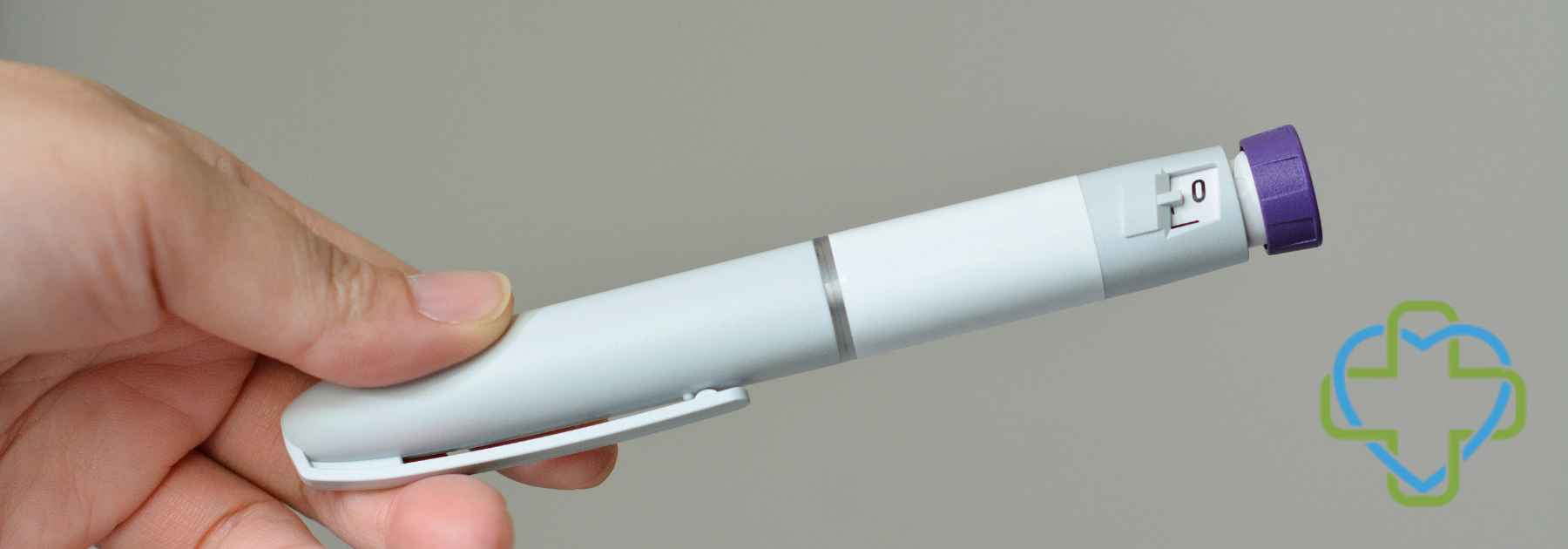
Beyond site selection and changing your injection site each week, the most important step you can take is to follow the Instructions for Use supplied with your specific Mounjaro KwikPen carefully — these contain the authoritative guidance on preparing the injection site, administering the dose, and removing the pen safely, and should always take precedence over general advice that may not reflect the specific requirements of your pen. Routine use of an alcohol swab to prepare the injection site is not specified as a requirement in the Mounjaro Instructions for Use — follow the supplied guidance rather than assuming this step is necessary. Similarly, the specific technique for holding the pen against the skin and confirming dose delivery — including any timing — should be followed as set out in the Instructions for Use provided with your pen, rather than any general instruction specifying a universal duration.
After removing the pen, applying gentle pressure to the injection site with a clean cotton ball or gauze for a few seconds can reduce minor bleeding or bruising — though the injection site should never be rubbed after injection as this can cause localised tissue irritation. If you have any uncertainty about any step of the injection process, speak to your prescribing clinician or pharmacist before your next dose rather than relying on general online guidance.
Injection Site Considerations for Specific Patient Groups
Certain patient groups may need to consider additional factors when selecting and managing their Mounjaro injection sites. Patients with a lower body weight and less subcutaneous fat — particularly at the abdominal or thigh sites — may be concerned about whether the needle is reaching subcutaneous tissue correctly rather than muscle. Intramuscular injection is not an approved administration route for Mounjaro and should be actively avoided, as it may cause increased discomfort and alter the absorption profile of the medication. Patients with this concern should not attempt to self-modify their technique — for example by routinely using a pinch technique — without first seeking specific advice from their prescribing clinician or pharmacist, who can assess their individual body composition and recommend the most appropriate approach.
Patients with significant abdominal scarring from previous surgery — such as caesarean sections, laparoscopic procedures, or hernia repairs — should avoid injecting near scar tissue, as the altered structure of scar tissue significantly impairs drug absorption and increases the risk of injection site complications. Patients with skin conditions such as psoriasis, eczema, or active dermatitis at any of the approved injection sites should avoid those areas during flares and discuss alternative site management with their clinician. Those who are particularly prone to bruising — whether due to anticoagulant medication, platelet disorders, or individual skin characteristics — should be particularly consistent with the post-injection pressure technique described above and may benefit from clinical guidance on injection technique optimisation to minimise bruising at each site.
J E Williamson Pharmacy in Bishops Stortford provides comprehensive injection technique reviews for all Mounjaro patients, ensuring site selection, rotation, and technique are fully optimised for safety and effectiveness throughout your treatment. Call us to book a consultation and put the right injection support in place from your very first dose through to your long-term results.

Frequently Asked Questions
The clinical team at J E Williamson Pharmacy in Bishops Stortford has compiled answers to the most common questions patients ask about where to inject Mounjaro and how to manage injection sites effectively.
Does it matter which site I inject Mounjaro into?
All three approved sites — abdomen, front of upper thigh, and outer upper arm — are clinically equivalent in terms of drug absorption when injected correctly, so the choice between them is primarily one of personal preference, comfort, and practical accessibility. What matters most from a clinical standpoint is that you change your injection site each week, inject within the approved zones, and avoid skin that is bruised, scarred, or affected by lipohypertrophy — rotation through all three anatomical areas on a fixed cycle is not required.
Does injecting in the abdomen absorb Mounjaro faster?
There is no clinically significant difference in the absorption rate of tirzepatide between the three approved injection sites when the injection is performed correctly within the approved zones. The choice of site should therefore be based on comfort and accessibility rather than any perceived difference in how quickly the medication takes effect.
How do I rotate my Mounjaro injection sites correctly?
The key principle is to change your injection site each week and avoid injecting into the same spot twice in a row — rotation through all three anatomical areas on a fixed weekly cycle is not required, and the most important thing is that you vary the specific injection point within whichever site you use. Keeping a simple injection log noting the site and approximate location of each weekly injection is a practical way to track where you have injected and avoid repeating the same spot.
What is lipohypertrophy and how do I avoid it?
Lipohypertrophy is a build-up of firm, thickened fatty tissue beneath the skin that develops when the same injection site is used repeatedly without adequate rotation — it can impair drug absorption and lead to inconsistent medication levels in the bloodstream. The most effective way to avoid it is to rotate injection sites and specific injection points consistently every week, never inject into the same spot twice in a row, and check your injection sites regularly by feel for any areas of unusual firmness or thickening.
Can I inject Mounjaro into my stomach if I have had abdominal surgery?
Patients with abdominal scarring from previous surgery should avoid injecting near or into scar tissue, as the altered structure of scar tissue significantly impairs drug absorption and increases the risk of injection site complications. If abdominal scarring is extensive, the thigh or upper arm may be more appropriate primary sites, and a discussion with your prescribing clinician about the best approach given your individual anatomy is strongly advisable before starting treatment.
What should I do if I get a lump at my Mounjaro injection site?
An injection-site lump can have several causes and should not automatically be attributed to lipohypertrophy — it is important to report any new lump or swelling at an injection site to your prescribing clinician or pharmacist promptly so that the cause can be properly assessed. In the meantime, avoid injecting into the affected area until you have received clinical guidance.
Get Your Injection Site Right
Knowing where to inject Mounjaro — and how to rotate between sites correctly — is one of the most practical and important aspects of getting the very best from your treatment. The right site, the right technique, and the right rotation routine all work together to ensure that every weekly dose of tirzepatide is absorbed consistently, effectively, and safely, giving the medication the best possible opportunity to deliver the meaningful, lasting weight loss results it is clinically capable of producing. At J E Williamson Pharmacy in Bishops Stortford, our expert clinical team is here to support you with every aspect of your Mounjaro treatment — from your very first injection to your long-term results — with the personalised, evidence-based guidance and genuine clinical care that makes the difference between a treatment that works and one that truly transforms your health and your life. Book now and begin your Mounjaro journey with the clinical expertise, injection guidance, and personalised support that sets the strongest possible foundations for outstanding long-term results.