
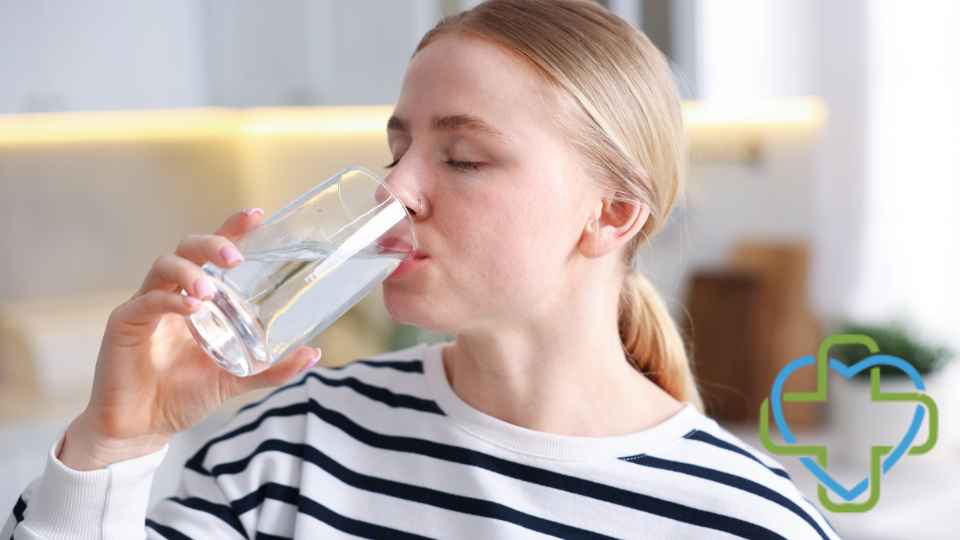
Drinking water can genuinely help you lose weight, though it is important to understand precisely how and to what extent, so that it is valued appropriately as a tool within a broader weight management strategy rather than misunderstood as a standalone solution. The evidence supporting water’s role in weight loss operates through several well-understood mechanisms: reducing appetite when consumed before meals, temporarily boosting metabolic rate, replacing high-calorie beverages that would otherwise contribute to a calorie surplus, and improving the physical and cognitive performance that supports consistent exercise and dietary adherence. Water has no calories and no direct fat-burning properties, but its indirect influence on appetite, calorie intake, and metabolic function makes it one of the most accessible and underrated tools in any weight management plan. Clinical studies have consistently shown that adults who increase their daily water intake lose more weight than those who do not, even when other dietary and lifestyle factors are controlled for. Hydration consistently comes up in weight management consultations at J E Williamson Pharmacy in Bishops Stortford because it is one of those genuinely impactful habits that patients can implement today, without any financial outlay or disruption to their existing routine, and start benefiting from straight away.
A well-rounded, clinically supported weight management plan incorporates the right habits, the right nutrition, and where appropriate, the right treatment. Book a consultation with our expert team at J E Williamson Pharmacy in Bishops Stortford today and build a personalised approach that covers every factor influencing your results.
Key takeaways
- Drinking water before meals has been shown in clinical studies to meaningfully reduce calorie intake at those meals, supporting a calorie deficit over time.
- Thirst and hunger share overlapping physiological signals; mild dehydration is frequently misinterpreted as hunger, leading to unnecessary calorie consumption.
- Drinking water temporarily increases resting metabolic rate through a process called water-induced thermogenesis, though the calorie-burning effect is modest.
- Replacing calorie-containing beverages, sugary drinks, alcohol, flavoured coffees, and fruit juices, with water can produce a significant daily calorie reduction without any change to food intake.
- Adequate hydration supports better physical and cognitive performance, which indirectly supports exercise adherence and dietary decision-making throughout the weight loss journey.
- NHS guidance recommends approximately 6 to 8 glasses of fluid daily (around 1.2 to 2 litres), adjusted for body size, activity level, and climate.
The Science Behind Water and Weight Loss
The relationship between water intake and weight loss is supported by a growing body of clinical evidence, though it is important to contextualise this evidence accurately. Water does not burn fat directly, does not suppress appetite in the way that medications such as Mounjaro or Wegovy do, and cannot substitute for the dietary and lifestyle changes that are the foundation of sustainable weight loss. What it does do is influence several physiological processes that collectively support weight loss in meaningful and well-evidenced ways. A 2010 randomised controlled trial published in Obesity found that middle-aged and older adults who drank 500ml of water before each meal lost significantly more weight over a 12-week period than those who did not, suggesting that pre-meal water consumption reliably reduces calorie intake at meals. A 2016 systematic review of the evidence concluded that increased water intake was associated with greater weight loss across multiple studies, with the effect being most pronounced when water replaced calorie-containing beverages.
The mechanisms through which water influences weight and appetite are multiple and complementary. Gastric distension — the physical stretching of the stomach walls by water volume — activates satiety signals that reduce appetite before the food itself has been consumed or digested. Adequate hydration optimises the function of the hypothalamus, the brain region responsible for regulating both thirst and hunger, which helps the body distinguish more accurately between genuine hunger and thirst. Cellular hydration status influences insulin sensitivity and glucose metabolism, both of which are relevant to fat storage and energy regulation. And water’s role in supporting kidney function reduces the need for the liver to assist with waste filtration, freeing it to focus more effectively on fat metabolism. None of these effects is dramatic in isolation, but collectively and consistently applied, they contribute meaningfully to weight management outcomes.

Water Before Meals — The Most Evidence-Backed Strategy
Of all the ways in which water can support weight loss, drinking it before meals has the most robust and directly applicable clinical evidence behind it. The 2010 Davy et al. randomised controlled trial — one of the most cited studies in this area — found that participants who drank 500ml of water approximately 30 minutes before each main meal consumed fewer calories at those meals and lost a meaningful amount of additional weight over 12 weeks compared to the control group, without any other dietary changes being required. The mechanism is primarily gastric distension — the water occupies volume in the stomach, activating stretch receptors that send satiety signals to the brain and reduce the appetite experienced at the subsequent meal. This effect is most pronounced in middle-aged and older adults, in whom the sensation of stomach fullness appears to be a stronger appetite-regulatory signal than in younger people.
Practically, developing the habit of drinking a large glass of water 20 to 30 minutes before each main meal is one of the simplest and most low-cost weight management interventions available. It requires no calorie counting, no dietary restriction, and no additional expense — and the cumulative effect of consuming slightly fewer calories at each meal over weeks and months adds up to a meaningful contribution to the overall calorie deficit that drives weight loss. Patients who find portion control challenging or who experience hunger returning quickly after meals will find this strategy particularly valuable as an early, low-effort, and genuinely sustainable habit to establish.
Dehydration, False Hunger, and Unnecessary Calorie Consumption
One of the most clinically significant ways in which inadequate water intake undermines weight loss is through the confusion between thirst and hunger. The hypothalamus regulates both hunger and thirst, and when it receives signals indicating a need for fluid, it can produce sensations that are experienced as hunger rather than — or in addition to — thirst. This overlap in signalling means that mild dehydration is frequently misinterpreted as hunger, leading people to eat when they are actually thirsty. Research suggests that a meaningful proportion of eating occasions throughout the day are driven by thirst rather than genuine caloric need, representing a significant source of unnecessary calorie consumption that adequate hydration can substantially reduce.
A practical and evidence-informed strategy for distinguishing thirst from hunger is to drink a large glass of water when hunger is felt and wait 20 minutes before eating — if the sensation passes or diminishes significantly, it was likely thirst rather than hunger. If genuine hunger persists, eating is entirely appropriate. This simple habit can prevent a significant number of unnecessary eating occasions for people who are not consistently well-hydrated, and represents a minimal-effort intervention with a potentially substantial impact on daily calorie intake over time.
Practical, personalised guidance on the lifestyle habits that most effectively support your weight management goals can be accessed from the expert clinical team at J E Williamson Pharmacy in Bishops Stortford. Call us today and discover which habits will make the greatest difference to your individual results, delivered with the clinical expertise and genuine care that every patient deserves.
Water-Induced Thermogenesis — The Metabolic Effect
Beyond appetite regulation, drinking water produces a modest but real increase in resting metabolic rate through a process known as water-induced thermogenesis. A 2003 study published in the Journal of Clinical Endocrinology and Metabolism by Boschmann et al. found that drinking 500ml of water increased metabolic rate by approximately 30% within 30 to 40 minutes of consumption, with the effect lasting roughly 60 minutes. The researchers estimated that drinking approximately 1.5 litres of water above habitual intake per day could increase energy expenditure by around 200kJ (approximately 48 calories) per day — a modest but real contribution to the overall calorie balance. In men, the thermogenic response was driven primarily by fat oxidation; in women, primarily by carbohydrate metabolism, suggesting some sex-specific differences in the mechanism.
It is important to contextualise this effect accurately — 48 additional calories burned per day is not a transformative amount, and water cannot substitute for dietary changes or physical activity as the primary drivers of weight loss. However, as one component of a comprehensive and consistently applied weight management approach, the thermogenic effect of adequate water intake is a genuine and cost-free contribution. Cold water may produce a slightly greater thermogenic response than room-temperature water, as the body must expend energy warming it to core body temperature, though the additional effect is small and should not be overstated.
While water contributes modestly to calorie expenditure, medically supported weight loss treatments can deliver results on an entirely different scale. Enter your height and weight into our calculator below to find out how much you could potentially lose with Mounjaro or Wegovy:
Replacing Calorie-Containing Beverages with Water
One of the most immediately impactful ways in which drinking more water supports weight loss is by displacing the calorie-containing beverages that contribute significantly to many people’s daily calorie intake without providing meaningful satiety. Sugary soft drinks, fruit juices, flavoured coffees, sports drinks, and alcohol all contribute calories that the brain registers very differently from the same number of calories consumed as food — liquid calories are far less satiating than solid calories and are processed by the body in ways that are less supportive of appetite regulation and fat metabolism. A single large sugary soft drink can contain 200 to 250 calories; a standard glass of fruit juice 100 to 150 calories; a flavoured latte from a coffee shop 200 to 400 calories. Replacing these with water produces a calorie reduction that, sustained consistently over days and weeks, can make a substantial contribution to the weekly calorie deficit needed for weight loss.
Not everyone finds plain water easy or enjoyable to drink in the quantities needed for optimal hydration, and there are several practical strategies worth exploring that can meaningfully increase daily intake without introducing calorie-containing alternatives. Sparkling water, water infused with slices of lemon, cucumber, or mint, and unsweetened herbal teas all provide hydration without adding meaningful calories. The key principle is that the replacement beverages should be calorie-free or very low in calories — diet soft drinks, while calorie-free, should not be assumed to be entirely neutral in their effects on appetite and metabolic signalling, and the evidence on their role in weight management is mixed.
Hydration and Exercise Performance
The relationship between hydration and exercise performance has direct relevance to weight loss, because the consistency and intensity of physical activity are among the most important modifiable factors influencing long-term weight management outcomes. Even mild dehydration — as little as 1 to 2% loss of body water — has been shown in multiple studies to meaningfully impair both physical performance and cognitive function. In practical terms, this means that a person who is mildly dehydrated during exercise will find the same workout harder, will be more likely to cut it short, and will recover more slowly than if they were adequately hydrated. Over time, the cumulative impact of consistently suboptimal exercise performance due to inadequate hydration can significantly reduce the total calorie expenditure achieved through physical activity, slowing weight loss progress and reducing the metabolic benefits of regular exercise.
Adequate pre-exercise hydration, maintaining hydration throughout exercise, and rehydrating effectively afterwards are therefore not simply matters of comfort — they are meaningful components of an effective weight management strategy. The general guidance is to drink sufficient fluid before exercise to begin in a hydrated state, to drink during exercise if it lasts longer than 60 minutes or is performed in warm conditions, and to rehydrate afterwards in proportion to the fluid lost through sweat. Water is entirely sufficient for hydration during moderate-intensity exercise sessions of under 60 minutes, making sports drinks containing carbohydrates and electrolytes unnecessary for the majority of people exercising for weight loss purposes.
How Much Water Should You Drink to Lose Weight?
NHS guidance recommends approximately 6 to 8 glasses of fluid per day, which equates to roughly 1.2 to 2 litres depending on glass size — this is the general recommended baseline for healthy adults in typical conditions. This recommendation increases with higher body weight, increased physical activity, hot weather, and during illness. When hydration is being optimised specifically to support weight loss, the evidence points towards aiming for the higher end of the recommended daily range and drinking approximately 500ml of water before each main meal as a practical, evidence-based approach for most healthy adults. Individual fluid needs vary considerably, however, and urine colour remains the most practically accessible indicator of hydration status — pale straw to light yellow indicates adequate hydration, while darker yellow suggests a need for more fluid intake.
It is worth noting that fluid intake does not need to come exclusively from plain water — all non-alcoholic beverages contribute to daily fluid intake, as does the water content of foods, particularly fruits and vegetables. That said, water remains the optimal hydration choice for weight management purposes due to its complete absence of calories and the absence of any potentially confounding effects on appetite or metabolism. Patients taking weight loss medications such as Mounjaro or Wegovy should pay particular attention to maintaining good hydration during the early weeks of treatment, as gastrointestinal side effects including nausea and vomiting during this period can meaningfully increase the risk of becoming dehydrated.
You can find a personalised, clinically supported weight management plan that takes every lifestyle factor into account at J E Williamson Pharmacy in Bishops Stortford. Contact us to book a consultation and work with our expert clinical team to build a comprehensive approach that gives every aspect of your weight loss journey the attention it deserves.

Frequently Asked Questions
The clinical team at J E Williamson Pharmacy in Bishops Stortford has compiled honest, evidence-based answers to the hydration and weight loss questions that patients bring to us most consistently at every stage of their journey.
How much water should I drink each day to help with weight loss?
NHS guidance recommends approximately 6 to 8 glasses of fluid daily (around 1.2 to 2 litres for most adults), and for weight loss purposes, aiming towards the higher end of this range and adding a 500ml glass before each main meal is a practical, evidence-informed approach. Individual needs vary based on body size, activity level, and climate — pale straw-coloured urine is the most reliable indicator that you are adequately hydrated.
Does cold water burn more calories than room-temperature water?
Cold water does produce a marginally greater thermogenic response than room-temperature water, as the body must expend a small amount of energy warming it to core body temperature, but the additional calorie-burning effect is very modest and should not be the primary reason for preferring cold water. The most important thing is to drink sufficient water consistently throughout the day, regardless of temperature preference.
Can I drink too much water when trying to lose weight?
Yes — while rare in healthy adults under normal circumstances, drinking excessively large quantities of water in a short period can cause a condition called hyponatraemia, where sodium levels in the blood become dangerously diluted, which can be serious. For most people following general NHS hydration guidance, excessive water intake is not a practical concern, but those with kidney conditions, heart conditions, or other relevant medical circumstances should discuss optimal fluid intake with their healthcare professional.
Does sparkling water help with weight loss as effectively as still water?
Yes — sparkling water provides the same hydration benefits as still water and is an equally effective choice for weight loss purposes, provided it is unsweetened and unflavoured with calorie-containing additions. Some people find carbonated water more filling than still water, which may provide an additional modest appetite-suppressing benefit, though the evidence on this specific effect is limited.
Should I drink more water on Mounjaro or Wegovy?
Maintaining good hydration is particularly important for patients on Mounjaro or Wegovy, especially in the early weeks of treatment when gastrointestinal side effects such as nausea, vomiting, and diarrhoea can increase the risk of dehydration. Aiming for the higher end of the recommended daily fluid intake and sipping water consistently throughout the day is advisable — if you are experiencing significant gastrointestinal side effects, speak to your prescribing clinician or pharmacist about whether additional hydration support is needed.
Is drinking water before meals really effective for weight loss?
Yes — the evidence for this strategy is among the most robust in the hydration and weight loss literature, with randomised controlled trial data showing that drinking approximately 500ml of water 20 to 30 minutes before main meals meaningfully reduces calorie intake at those meals and contributes to greater weight loss over time. The effect is most pronounced in middle-aged and older adults and works primarily through gastric distension activating satiety signals before food is consumed.
The Power of Water for Weight Loss
While drinking water will not melt fat or substitute for the dietary and lifestyle changes that underpin sustainable weight loss, it is a genuinely evidence-backed tool that when applied consistently makes every other aspect of a weight management plan easier, more effective, and more achievable. Reduced appetite before meals, fewer false hunger signals, displaced calorie-containing beverages, better exercise performance, and a modest thermogenic boost all combine to make adequate hydration one of the highest-value, lowest-cost habits any patient can build into their weight management routine. The expert clinical team at J E Williamson Pharmacy in Bishops Stortford specialises in helping patients build comprehensive, individually tailored weight management plans that combine the right daily habits, the right nutritional approach, and where clinically appropriate, the right treatment to produce results that go well beyond the short term. Book now and take the first step towards a weight management approach that leaves no stone unturned.