
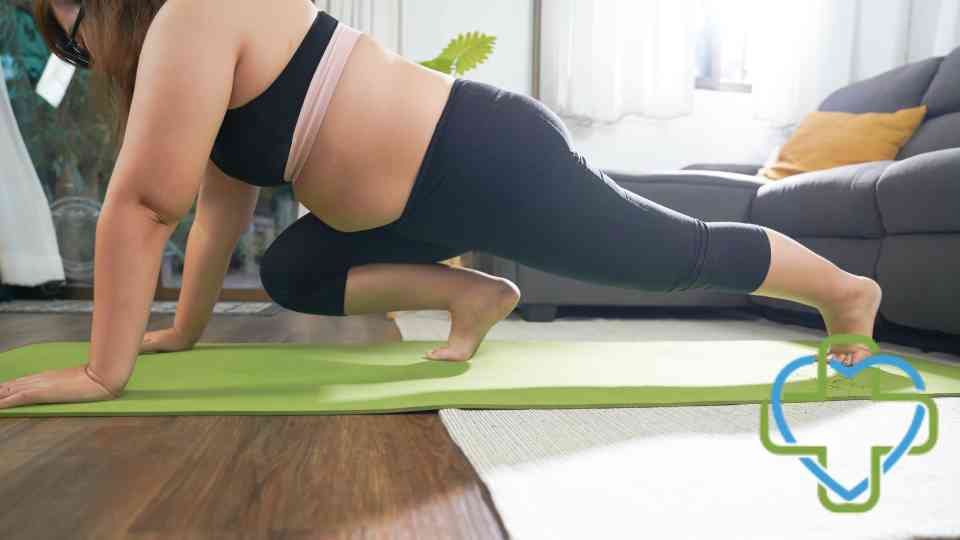
The best exercises to lose belly fat are those that create a meaningful calorie deficit, reduce overall body fat, and support long-term metabolic health — and the good news is that a combination of cardiovascular exercise and resistance training delivers exactly that. It’s important to understand from the outset that spot reduction — the idea that you can target fat loss in one specific area of the body — is a myth that has been firmly debunked by clinical research; belly fat reduces as part of overall body fat loss, not in isolation. That said, certain types of exercise are particularly effective at reducing visceral fat — the deep abdominal fat that surrounds internal organs and poses the greatest risk to health. The most effective approach combines consistent aerobic activity, strength training, and core work alongside a sustainable calorie deficit and healthy dietary habits. Helping patients understand every aspect of their weight management journey is something our team at J E Williamson Pharmacy in Bishops Stortford does every day — and the role of exercise in reducing belly fat is one of the subjects that comes up most frequently in our consultations.
A fully supported weight management plan that combines expert advice with the right treatment options is exactly what our team at J E Williamson in Bishops Stortford is here to provide. Book a consultation today and start building a plan that is tailored specifically to your needs and goals.
Key takeaways
- Spot reduction of belly fat is not possible; fat loss occurs across the whole body through a sustained calorie deficit.
- Cardiovascular exercise is one of the most effective tools for reducing visceral fat and improving overall metabolic health.
- Resistance training builds muscle mass, raises resting metabolic rate, and supports long-term fat loss; including around the abdomen.
- High-intensity interval training (HIIT) has been shown in clinical studies to be particularly effective at reducing abdominal fat.
- Core exercises strengthen and tone the abdominal muscles but must be combined with fat loss for visible results.
- Consistency over intensity is the most important factor; regular moderate exercise sustained over time outperforms sporadic intense sessions.
The Truth About Belly Fat
Not all body fat is created equal. Subcutaneous fat — the fat you can pinch just beneath the skin — is largely cosmetic, while visceral fat, which sits deep within the abdominal cavity surrounding vital organs, is strongly associated with an increased risk of type 2 diabetes, cardiovascular disease, and metabolic syndrome. Visceral fat is metabolically active, releasing inflammatory compounds and hormones that disrupt insulin function and increase systemic inflammation. The encouraging news is that visceral fat is also among the most responsive to exercise and dietary intervention — meaning that a consistent, well-structured exercise programme can produce meaningful reductions in abdominal fat relatively quickly.
Cardiovascular Exercise — The Foundation of Belly Fat Loss
Cardiovascular exercise remains one of the most evidence-backed tools for reducing overall body fat, including visceral abdominal fat. Activities such as brisk walking, jogging, cycling, swimming, and rowing all elevate the heart rate and increase calorie burn, contributing directly to the calorie deficit needed for fat loss. Current UK guidelines recommend at least 150 minutes of moderate-intensity aerobic activity per week — and research consistently shows that exceeding this threshold produces more significant reductions in abdominal fat. The good news is that even brisk walking — one of the most accessible forms of exercise — has been shown in clinical studies to meaningfully reduce visceral fat when performed consistently over several weeks and months.
High-Intensity Interval Training (HIIT) — The Most Time-Efficient Option
High-intensity interval training — alternating short bursts of intense effort with brief recovery periods — has emerged as one of the most effective exercise modalities for reducing abdominal fat, particularly visceral fat. Studies have consistently shown that HIIT produces greater reductions in waist circumference and abdominal fat than steady-state cardio performed for the same duration, making it an excellent option for those with limited time. A typical HIIT session might involve 20–30 seconds of maximum effort — sprinting, cycling, or bodyweight exercises — followed by 40–60 seconds of recovery, repeated for 15–25 minutes. Even two to three HIIT sessions per week, combined with other forms of activity, can produce significant improvements in abdominal fat levels over eight to twelve weeks.
Building an exercise plan that supports your weight management goals is easier with the right expert guidance behind you. Call our team at J E Williamson Pharmacy in Bishops Stortford today for personalised advice you can put into practice straight away.

Resistance Training — The Long-Term Fat Loss Multiplier
While cardiovascular exercise burns calories during activity, resistance training — weightlifting, bodyweight exercises, resistance band work — builds lean muscle mass that raises your resting metabolic rate, meaning you burn more calories even at rest. This makes resistance training one of the most powerful long-term tools for fat loss, including belly fat reduction. Compound movements that engage multiple muscle groups simultaneously — such as squats, deadlifts, lunges, and press-ups — are particularly effective because they burn more calories and stimulate greater muscle growth than isolation exercises. Aim for two to three resistance training sessions per week alongside your cardiovascular activity for the most comprehensive fat loss results.
Core Exercises — Strengthening What Lies Beneath
Core exercises — including planks, crunches, leg raises, and rotational movements — strengthen and tone the muscles of the abdomen, but it is important to understand that they do not directly burn belly fat. Their value lies in building a strong, stable core that supports better posture, reduces back pain, improves athletic performance, and creates the toned appearance that becomes visible once the overlying fat has been reduced through cardiovascular exercise and a calorie deficit. Including core work two to three times per week as part of a balanced exercise programme is a sound approach — just don’t expect crunches alone to deliver a flat stomach.
If you want to accelerate your results beyond what exercise alone can achieve, medically supported weight loss could be the missing piece of your plan. Enter your height and weight into our calculator below to find out how much you could potentially lose with Mounjaro or Wegovy:
The Role of Stress, Sleep and Lifestyle
Exercise is a powerful tool for reducing belly fat, but it works best when supported by broader lifestyle habits. Chronic stress elevates cortisol — a hormone closely linked to the accumulation of visceral abdominal fat — meaning that stress management is an often-overlooked but clinically important component of belly fat reduction. Poor sleep similarly raises cortisol and disrupts the hunger hormones ghrelin and leptin, increasing appetite and making fat loss harder. Prioritising seven to nine hours of quality sleep per night and actively managing stress through techniques such as mindfulness, walking, or time outdoors can meaningfully accelerate the results of your exercise programme.
The fastest and most sustainable route to belly fat loss brings together the right exercise plan and expert medical support in one cohesive approach. Contact us at J E Williamson Pharmacy in Bishops Stortford and find out what our team can do for you.

Frequently Asked Questions
Below, our team at J E Williamson Pharmacy in Bishops Stortford answers the questions we hear most often from patients looking to reduce belly fat through exercise.
How long does it take to lose belly fat through exercise?
Most people begin to notice measurable reductions in waist circumference within four to eight weeks of consistent exercise and dietary changes, though the rate of progress varies significantly depending on starting point, exercise intensity, and overall calorie deficit. Visceral fat — the most health-relevant type of belly fat — tends to respond relatively quickly to exercise intervention, with meaningful reductions often visible within eight to twelve weeks.
Can I lose belly fat by walking alone?
Yes — brisk walking is a genuinely effective exercise for reducing belly fat, particularly visceral fat, when performed consistently and combined with a moderate calorie deficit. Aiming for at least 30 minutes of brisk walking most days of the week, gradually increasing duration and pace over time, can produce significant reductions in abdominal fat over several months.
Does belly fat go away with weight loss?
Yes — as overall body fat decreases through a sustained calorie deficit and regular exercise, belly fat reduces proportionally alongside fat in other areas of the body. Visceral fat in particular is highly responsive to weight loss interventions, meaning that even modest overall weight loss of 5–10% of body weight can produce clinically meaningful reductions in abdominal fat.
Is HIIT or steady-state cardio better for belly fat?
Research suggests that HIIT produces greater reductions in abdominal and visceral fat than steady-state cardio performed for the same duration, largely due to its effects on post-exercise oxygen consumption and metabolic rate. However, the best exercise is ultimately the one you can perform consistently — and for many people, a combination of both HIIT and steady-state cardio produces the most sustainable and enjoyable results.
How many times a week should I exercise to lose belly fat?
Most clinical guidelines recommend at least 150 minutes of moderate-intensity aerobic activity per week, which can be broken down into five 30-minute sessions or three to four longer sessions, depending on preference and fitness level. Adding two to three resistance training sessions per week on top of this provides the most comprehensive approach to belly fat reduction and long-term weight management.
Can weight loss medication help reduce belly fat?
Yes — weight loss medications such as Mounjaro (tirzepatide) and Wegovy (semaglutide) have been shown in clinical trials to produce significant reductions in overall body fat, including visceral abdominal fat, when used alongside lifestyle changes. These medications work by reducing appetite and improving metabolic function, making it considerably easier to sustain the calorie deficit and exercise habits needed for meaningful belly fat reduction.
The Right Move for Lasting Weight Loss
Losing belly fat is not about endless crunches or miracle solutions — it is about combining the right types of exercise consistently, supporting them with smart nutrition, and addressing the lifestyle factors that drive abdominal fat accumulation in the first place. Cardiovascular exercise, HIIT, resistance training, and core work each play a valuable and complementary role in a well-rounded approach to belly fat loss. At J E Williamson Pharmacy in Bishops Stortford, our expert team is here to help you build a weight management plan that brings all of these elements together — grounded in evidence, tailored to your needs, and supported with compassionate professional care from start to finish. Book now and discover what the right plan, and the right support, can do for your health and confidence.