

The best exercise to lose weight is the one you enjoy enough to keep doing consistently. For most people, a mix of regular walking or other cardio and strength training works well. Strength training helps protect muscle while you lose fat, and cardio supports your heart and your energy use. Exercise works best alongside healthy eating, good sleep, and the right support. The team at J E Williamson Pharmacy in Bishops Stortford helps patients create an activity plan that suits their health and lifestyle.
Book now to talk through a realistic exercise and weight management plan with our clinical team.
Key takeaways
- Consistency matters more than intensity, so choose activities you can keep doing.
- A mix of strength training and cardio usually works better than either one alone.
- Walking is a simple and sustainable foundation, especially for beginners.
- Everyday movement outside workouts adds up and supports weight loss.
- Exercise works best alongside healthy eating, good sleep, and stress management.
- Speak to a doctor or pharmacist before starting a new programme if you have a health condition.
Why Exercise Matters for Weight Loss
Exercise is one of the most recommended parts of any weight management plan. It helps your heart, your muscles, your mood, and your sleep. It also contributes to the energy balance that drives weight loss over time.
It is worth being realistic about what exercise can do. The calories you burn in a workout are often smaller than people expect. It is also easy to eat a little more after exercising without noticing.
This does not mean exercise is pointless. It means exercise works best as part of a wider plan. Food choices, sleep, stress, and daily habits all play a part. When these work together, results tend to be steadier and last longer.
Exercise offers benefits that the scales cannot show. You may feel stronger, sleep better, and have more energy. Your clothes may fit differently even when your weight changes slowly. These gains are worth celebrating along the way.
The Best Exercise to Lose Weight in Practice
People often ask which single exercise is the winner. The honest answer is that there is no single best choice for everyone. The best exercise to lose weight is the one that suits your body, your health, and your life.
A routine you enjoy is a routine you will keep. A punishing plan that you abandon after two weeks will not help you. Gentle activity done regularly often beats intense effort done rarely.
That said, some types of exercise offer particular benefits. A balanced plan usually includes several of them. Let us look at the main options.
Walking
Walking is one of the most underrated forms of exercise. It is free, easy to start, and gentle on the joints. Almost anyone can build it into their day, whatever their fitness level.
Walking regularly supports your heart, your mood, and your energy use. You can make it easier to keep up by walking with a friend, listening to a podcast, or exploring new routes. Gradually increasing your pace or distance keeps it interesting.
Strength Training
Strength training uses weights, resistance bands, or your own bodyweight to challenge your muscles. It is especially valuable during weight loss. When you lose weight, you can also lose muscle, and strength work helps protect it.
Keeping your muscle supports your strength, your balance, and your metabolism. Simple exercises such as squats, lunges, press-ups, and rows are a good start. You do not need a gym to begin. Start gently and build up slowly to reduce the risk of injury.
Cardio Exercise
Cardio includes activities that raise your heart rate, such as brisk walking, cycling, swimming, jogging, and dancing. It supports heart and lung health and uses energy while you move. It can also lift your mood.
Choose something you find enjoyable. If you dislike running, there is no need to run. Cycling, swimming, or a dance class may suit you better. Enjoyment is the secret to keeping going.
High-Intensity Interval Training
High-intensity interval training, often called HIIT, alternates short bursts of hard effort with rest. It can be time-efficient and challenging. Some people enjoy the variety and the sense of achievement.
HIIT is not right for everyone. It places more demand on your heart and joints and is not usually recommended for complete beginners. If you have a health condition, speak to a doctor before trying it. Allow plenty of recovery between sessions.
Low-Impact Options
Low-impact exercise is kind to your joints. Swimming, water aerobics, cycling, yoga, and Pilates are all good examples. They suit people with joint pain, older adults, and those returning to exercise after a break.
These activities can still be effective. They build fitness, flexibility, and strength while reducing strain. They can also help with stress, which supports healthy habits overall.

A Comparison of the Best Exercises to Lose Weight
The table below compares the main types of exercise, so you can see which might suit you best.
| Type of exercise | Main benefits | Often suits | Things to consider |
|---|---|---|---|
| Walking | Gentle, free, and easy to build into the day | Beginners and almost everyone | Increase pace or distance gradually |
| Strength training | Helps protect muscle and supports strength | Most adults, especially during weight loss | Learn good technique and build up slowly |
| Cardio (cycling, swimming, jogging) | Supports heart and lung health and energy use | People who enjoy steady, rhythmic activity | Pick activities you enjoy to stay consistent |
| HIIT | Short, challenging sessions that fit busy days | Those with a reasonable base level of fitness | Not for beginners; allow plenty of recovery |
| Low-impact (yoga, Pilates, swimming) | Kind to joints and good for flexibility and stress | People with joint pain or returning to exercise | Add strength work where possible |
The Importance of Everyday Movement
Exercise is only part of how active you are. The movement you do outside workouts also matters. Walking to the shops, taking the stairs, gardening, and housework all add up.
Many people exercise for an hour and then sit for the rest of the day. Breaking up long periods of sitting can make a real difference. Try standing up regularly, taking short walks, or doing phone calls on your feet.
Small habits are easier to keep than big plans. Park a little further away, or get off the bus a stop early. These changes cost nothing, and they support your weight management in the background.
How to Build a Weekly Exercise Routine
A good routine mixes several types of activity. It also matches your current fitness and your schedule. Start small and build up gradually.
- Walking: aim to walk on most days, building up your pace or distance over time.
- Strength work: include a few short sessions each week, focusing on major muscle groups.
- Cardio: add some enjoyable activity that raises your heart rate.
- Flexibility: finish with stretching, yoga, or Pilates to support recovery.
- Rest: include rest days so your body can recover and adapt.
Be kind to yourself if you miss a session. One missed workout does not undo your progress. Simply carry on at your next opportunity.
It can help to schedule exercise like an appointment. Put it in your diary and treat it as non-negotiable. Planning ahead removes the need to decide each day.
Contact us to book a consultation if you would like help planning an exercise routine alongside your weight management goals.
Exercise Alongside Weight Loss Treatment
If you are taking a weight loss medicine such as Mounjaro or Wegovy, exercise is still important. These medicines reduce appetite, so you may eat less than before. This makes it even more helpful to protect your muscle with strength training.
Fuel your activity sensibly. Eating very little while exercising can lead to tiredness, dizziness, and poor recovery. Include protein in your meals, and drink enough fluids before and after activity.
Listen to your body. If you feel faint, very weak, or unwell, stop and rest. Speak to your pharmacist or prescriber if this keeps happening. Never change your medicine dose on your own.
Some side effects, such as nausea or tiredness, may make exercise harder in the early weeks. Gentle activity such as walking is a good place to begin. Build up as you feel able.
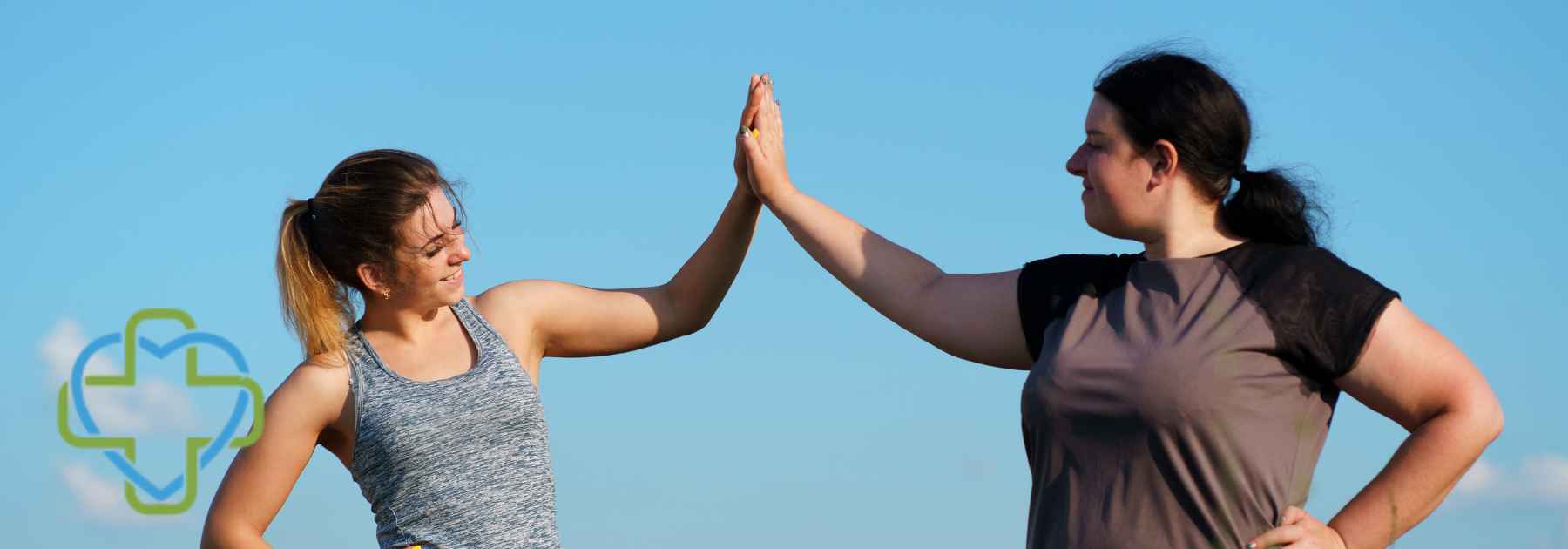
Staying Motivated While Exercising
Motivation rises and falls for everyone. The aim is to build habits that carry you through the low days. A few simple strategies can help.
- Choose activities you genuinely enjoy rather than ones you think you should do.
- Set small goals, such as an extra walk each week, and celebrate them.
- Exercise with a friend, join a class, or use an activity group for accountability.
- Track how you feel, not just what the scales say.
- Vary your routine to keep things fresh and interesting.
Progress is rarely a straight line. Some weeks will feel easier than others. What matters is that you keep returning to movement.
Call us if you would like personalised advice on staying active alongside your weight management plan.
Getting Started if You Are New to Exercise
Starting can feel daunting, especially if you have been inactive for a while. The good news is that you do not need to do much at first. A short walk each day is a perfectly good beginning.
Begin with activities that feel comfortable, and add a little more each week. Focus on building the habit before worrying about intensity. Once exercise feels normal, you can gradually add strength work and more challenging sessions.
Wear supportive footwear and comfortable clothing. Warm up gently before you begin, and cool down afterwards. These simple steps reduce the risk of aches and injuries.
Exercising at Home or the Gym
You can lose weight and get fitter in either setting. The best choice is the one you will actually use. Some people love the energy and equipment of a gym. Others prefer the privacy and convenience of home.
At home, bodyweight exercises, resistance bands, and online classes can be very effective. Walking and cycling outdoors cost nothing and add variety. A gym offers more equipment and often more guidance, which some people find motivating.
If you are unsure how to begin, consider asking a qualified fitness professional for a short introduction. They can show you good technique and help you build a safe plan. This is especially useful for strength training.
Common Exercise Mistakes to Avoid
A few common habits can slow your progress or increase your risk of injury. Knowing about them helps you avoid frustration.
- Doing too much too soon, which can lead to injury and burnout.
- Relying only on cardio and neglecting strength training.
- Skipping rest days and not allowing your body to recover.
- Eating very little to compensate for exercise, which can leave you exhausted.
- Choosing activities you dislike and then giving up.
- Comparing yourself with others instead of focusing on your own progress.
If you recognise any of these, there is no need to feel discouraged. Small changes are enough to get back on track. Your pharmacist can help you think through a realistic plan.
Exercise, Diet, Sleep, and Stress
Exercise works best when it is supported by other healthy habits. A balanced diet gives you the energy to move and the nutrients to recover. Protein, vegetables, wholegrains, and plenty of water are a good foundation.
Sleep matters too. Poor sleep can increase hunger and cravings and reduce your energy for exercise. Aim for a regular sleep routine and a calm wind-down in the evening.
Stress can also affect your habits. High stress may lead to comfort eating and low motivation. Activities such as walking, yoga, and stretching can help you relax. Looking after all these areas together gives you the best chance of lasting results.
Staying Safe While Exercising
Most people benefit from being more active. However, it is wise to speak to a doctor or pharmacist before starting a new programme in certain situations. This includes if you have a heart condition, high blood pressure, diabetes, or joint problems.
Seek advice too if you have been inactive for a long time, are pregnant, or have new or unexplained symptoms. A professional can help you choose activities that are safe for you. They can also suggest how quickly to build up.
Stop exercising and seek medical help if you experience chest pain, severe breathlessness, fainting, or sudden dizziness. These symptoms should never be ignored. If in doubt, seek advice.
Pay attention to pain as well. Mild muscle soreness after new activity is common. Sharp or lasting pain is not, and it should be checked.

Frequently Asked Questions
From walking to strength training, here are the questions patients ask our clinical team most about exercise and weight loss.
Making Exercise Work for Weight Loss
Ultimately, the best exercise to lose weight is whichever one you can enjoy and repeat. A mix of walking, strength training, and cardio gives most people a balanced and sustainable foundation. Combined with healthy eating and good sleep, it supports lasting change.
You can rely on our clinical team at J E Williamson Pharmacy in Bishops Stortford for support throughout your journey. Book now to get support building a plan that works around your lifestyle.